

Skip navigation
North West Ambulance Service (NWAS) logo
  • News
  • Events
  • Charity
  • Ambulance Academy
  • Publications
Use this link to enable the ReciteMe accessibility toolkit Enable ReciteMe accessibility tools
  • Home
  • Our service
    • Urgent and emergency care (999)
    • NHS 111 (non-emergency)
    • Patient Transport Service (PTS)
    • Major incidents
    • Emergency advice
    • Information for professionals
    • Other ways we can help
    • Help accessing our services
    Need to arrange transport using our Patient Transport Service (PTS)?
  • Get involved
    • Your Call Magazine
    • Volunteer with us
    • Support the North West Ambulance Charity
    • Support our campaigns
    • Children and young people
    • Lifesaving skills
    • Events
    • Share your experience
    • What happens with your feedback?
    • Talk to us on social media
    Need to arrange transport using our Patient Transport Service (PTS)?
  • About us
    • Our publications
    • Our strategy
    • Who we are
    • Our locations
    • How we are doing
    • Board of directors
    • Equality, diversity and inclusion
    • Research and development
    • Public Health
    • Information for suppliers
    Need to arrange transport using our Patient Transport Service (PTS)?
  • Careers
    • Our assessment centre
    • Current vacancies
    • Join our team
    • Why work with us
    • Explore roles
    • Applying for a job
    • Working with the Armed Forces
    Need to arrange transport using our Patient Transport Service (PTS)?
  • Contact us
    • Media
    • Request my information
    • FOI and EIR
    • General enquiries
    • Lost property
    • Make a complaint
    • External Patient Event Reporting Form
    • Point taken
    • Send a thank you
    • Tell us how we did
    • Safeguarding
    • Ambient voice technology trial
    Need to arrange transport using our Patient Transport Service (PTS)?
  • Home
  • Our service
    • Urgent and emergency care (999)
    • NHS 111 (non-emergency)
    • Patient Transport Service (PTS)
    • Major incidents
    • Emergency advice
    • Information for professionals
    • Other ways we can help
    • Help accessing our services
    Need to arrange transport using our Patient Transport Service (PTS)?
  • Get involved
    • Your Call Magazine
    • Volunteer with us
    • Support the North West Ambulance Charity
    • Support our campaigns
    • Children and young people
    • Lifesaving skills
    • Events
    • Share your experience
    • What happens with your feedback?
    • Talk to us on social media
    Need to arrange transport using our Patient Transport Service (PTS)?
  • About us
    • Our publications
    • Our strategy
    • Who we are
    • Our locations
    • How we are doing
    • Board of directors
    • Equality, diversity and inclusion
    • Research and development
    • Public Health
    • Information for suppliers
    Need to arrange transport using our Patient Transport Service (PTS)?
  • Careers
    • Our assessment centre
    • Current vacancies
    • Join our team
    • Why work with us
    • Explore roles
    • Applying for a job
    • Working with the Armed Forces
    Need to arrange transport using our Patient Transport Service (PTS)?
  • Contact us
    • Media
    • Request my information
    • FOI and EIR
    • General enquiries
    • Lost property
    • Make a complaint
    • External Patient Event Reporting Form
    • Point taken
    • Send a thank you
    • Tell us how we did
    • Safeguarding
    • Ambient voice technology trial
    Need to arrange transport using our Patient Transport Service (PTS)?

Search the site

  • Home
    • Urgent and emergency care (999)
    • NHS 111 (non-emergency)
    • Patient Transport Service (PTS)
    • Major incidents
    • Emergency advice
    • Information for professionals
    • Other ways we can help
    • Help accessing our services
    Need to arrange transport using our Patient Transport Service (PTS)?
    • Your Call Magazine
    • Volunteer with us
    • Support the North West Ambulance Charity
    • Support our campaigns
    • Children and young people
    • Lifesaving skills
    • Events
    • Share your experience
    • What happens with your feedback?
    • Talk to us on social media
    Need to arrange transport using our Patient Transport Service (PTS)?
    • Our publications
    • Our strategy
    • Who we are
    • Our locations
    • How we are doing
    • Board of directors
    • Equality, diversity and inclusion
    • Research and development
    • Public Health
    • Information for suppliers
    Need to arrange transport using our Patient Transport Service (PTS)?
    • Our assessment centre
    • Current vacancies
    • Join our team
    • Why work with us
    • Explore roles
    • Applying for a job
    • Working with the Armed Forces
    Need to arrange transport using our Patient Transport Service (PTS)?
    • Media
    • Request my information
    • FOI and EIR
    • General enquiries
    • Lost property
    • Make a complaint
    • External Patient Event Reporting Form
    • Point taken
    • Send a thank you
    • Tell us how we did
    • Safeguarding
    • Ambient voice technology trial
    Need to arrange transport using our Patient Transport Service (PTS)?
  • News
  • Events
  • Charity
  • Ambulance Academy
  • Publications
Home > News > Announcements > The pathway that’s helping change lives after overdose

The pathway that’s helping change lives after overdose

Posted 28th May 2026

When we provide care to patients following a non-fatal overdose in which opioids were involved, we can now offer support beyond the immediate emergency response. Our non-fatal overdose pathway helps crews link patients with follow-up care and specialist support, reducing future risk and helping them stay safe.

Share this page

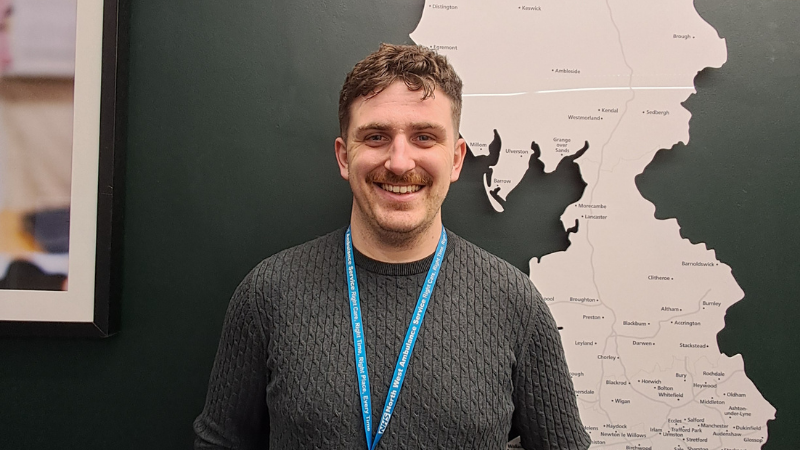
Leading this work is Rhys Ash, who joined us almost two years ago in his first NHS role, bringing with him more than five years of experience working in drug and alcohol services and supporting people with addiction and complex needs.

Before joining NWAS, Rhys was the harm reduction lead for Cumbria’s drug services, overseeing county-wide interventions to reduce harm and prevent drug-related deaths. That experience working closely with people at high risk has helped him shape the pathway now used across our 999 service.

“I’ve always been committed to supporting some of the most vulnerable people in society,” Rhys says. “Addiction isn’t just about substances, it’s about mental health, life experiences and the world around us. My own past mental health struggles have given me a natural empathy for people dealing with addiction and risky drug use.”

The care pathway supports people who have survived an overdose involving substance misuse where opioids are a contributing factor. Once referred, patients are connected to tailored support which may include check-ins, counselling, harm reduction resources, and help with wider issues such as housing, employment and mental health.

“Without support, people who overdose are at high risk of overdosing again, often within a short space of time,” Rhys explains. “Each incident increases the risk of serious harm or death.”

Anyone who has had a non-fatal overdose that meets the criteria can be referred into the pathway. For patients under 18, our crews make safeguarding referrals while also referring them to adult services for harm reduction support.

By using the pathway when appropriate, our crews can help reduce repeat overdoses and prevent future incidents from becoming fatal. Over time, this also helps reduce repeat calls, freeing up ambulance crews to attend other life-threatening emergencies.

Rhys has already seen positive results from referrals made. “We’ve built strong links with local drug services. Some patients are no longer using street drugs, while others are finally getting the tailored support they’ve needed for years.”

“I’ve seen first-hand the devastating impact overdoses can have on families and friends. This pathway recognises immediate risk and offers urgent support that simply wasn’t there before. Seeing someone’s life improve and hearing that they feel safer and more stable shows just how important this work is and keeps me motivated.”

A recent case study from a drug service shows the strong impact this pathway is already having on patients we refer. The patient had been homeless, using heroin daily, and at high risk of further overdoses. After referral, an immediate harm reduction assessment identified urgent health needs, leading to rapid medical support and temporary accommodation after hospital discharge. Within weeks, the patient began an opiate replacement prescription, moved into residential support, and is now drug free without needing substitutes. 

The non-fatal overdose pathway is an example of how our people are making a difference, not just in moments of crisis, but long after the ambulance has left the scene.

Rhys’ story is taken from our Your Call magazine, which can be read in the link below.

Related pages

  • Your Call Magazine

Archive

  • 2026
  • 2025
  • 2024

Contact us

General enquiries

0345 112 0999 To call general enquiries, click this link or dial 0345 112 0999

This number should NOT be used to contact us in an emergency. In an emergency dial 999 immediately or for non-urgent medical advice call NHS 111.

How to find us

Directions to our offices

Alternative formats

Please contact us if you require any information on our website in an alternative format, such as easy read of large print.

CQC Good rating widget

  • Help
  • Privacy policy
  • Accessibility
  • Freedom of Information
  • Contact us
  • Green Room
  • Cookies

© Copyright 2026 North West Ambulance Service NHS Trust. Lovingly crafted by Mixd

Cookie settings

We use some essential cookies to make this website work. We’d like to set additional cookies to understand how you use nwas.nhs.uk, remember your settings and improve our services. We also use cookies set by other sites to help us deliver content from their services.
View cookies
You have accepted additional cookies. You can change your cookie settings at any time.
You have rejected additional cookies. You can change your cookie settings at any time.