Skip navigation
North West Ambulance Service (NWAS) logo
  • News
  • Events
  • Charity
  • Ambulance Academy
  • Publications
Use this link to enable the ReciteMe accessibility toolkit Enable ReciteMe accessibility tools
  • Home
  • Our service
    • Patient Transport Service (PTS)
    • Urgent and emergency care (999)
    • NHS 111 (non-emergency)
    • Major incidents
    • Emergency advice
    • Information for professionals
    • Other ways we can help
    • Help accessing our services
    Need to arrange transport using our Patient Transport Service (PTS)?
  • Get involved
    • Your Call Magazine
    • Volunteer with us
    • Support the North West Ambulance Charity
    • Support our campaigns
    • Children and young people
    • Lifesaving skills
    • Events
    • Share your experience
    • What happens with your feedback?
    • Talk to us on social media
    Need to arrange transport using our Patient Transport Service (PTS)?
  • About us
    • Our publications
    • Our strategy
    • Who we are
    • Our locations
    • How we are doing
    • Board of directors
    • Equality, diversity and inclusion
    • Research and development
    • Public Health
    • Information for suppliers
    Need to arrange transport using our Patient Transport Service (PTS)?
  • Careers
    • Our assessment centre
    • Current vacancies
    • Join our team
    • Why work with us
    • Explore roles
    • Applying for a job
    • Working with the Armed Forces
    Need to arrange transport using our Patient Transport Service (PTS)?
  • Contact us
    • Media
    • Request my information
    • FOI and EIR
    • General enquiries
    • Lost property
    • Make a complaint
    • External Patient Event Reporting Form
    • Point taken
    • Send a thank you
    • Tell us how we did
    • Safeguarding
    • Ambient voice technology trial
    Need to arrange transport using our Patient Transport Service (PTS)?

Search the site

  • Home
    • Patient Transport Service (PTS)
    • Urgent and emergency care (999)
    • NHS 111 (non-emergency)
    • Major incidents
    • Emergency advice
    • Information for professionals
    • Other ways we can help
    • Help accessing our services
    Need to arrange transport using our Patient Transport Service (PTS)?
    • Your Call Magazine
    • Volunteer with us
    • Support the North West Ambulance Charity
    • Support our campaigns
    • Children and young people
    • Lifesaving skills
    • Events
    • Share your experience
    • What happens with your feedback?
    • Talk to us on social media
    Need to arrange transport using our Patient Transport Service (PTS)?
    • Our publications
    • Our strategy
    • Who we are
    • Our locations
    • How we are doing
    • Board of directors
    • Equality, diversity and inclusion
    • Research and development
    • Public Health
    • Information for suppliers
    Need to arrange transport using our Patient Transport Service (PTS)?
    • Our assessment centre
    • Current vacancies
    • Join our team
    • Why work with us
    • Explore roles
    • Applying for a job
    • Working with the Armed Forces
    Need to arrange transport using our Patient Transport Service (PTS)?
    • Media
    • Request my information
    • FOI and EIR
    • General enquiries
    • Lost property
    • Make a complaint
    • External Patient Event Reporting Form
    • Point taken
    • Send a thank you
    • Tell us how we did
    • Safeguarding
    • Ambient voice technology trial
    Need to arrange transport using our Patient Transport Service (PTS)?
  • News
  • Events
  • Charity
  • Ambulance Academy
  • Publications
Home > News > Announcements > “Don’t let it hold you back”: Paramedic Anne’s experience of dyslexia

“Don’t let it hold you back”: Paramedic Anne’s experience of dyslexia

Posted 19th November 2026

Paramedic Anne Mason was 32 when she was diagnosed with dyslexia. More than 25 years later, she’s challenging the assumptions that still surround the condition and encouraging others not to let it stand in the way of their ambitions.

Share this page
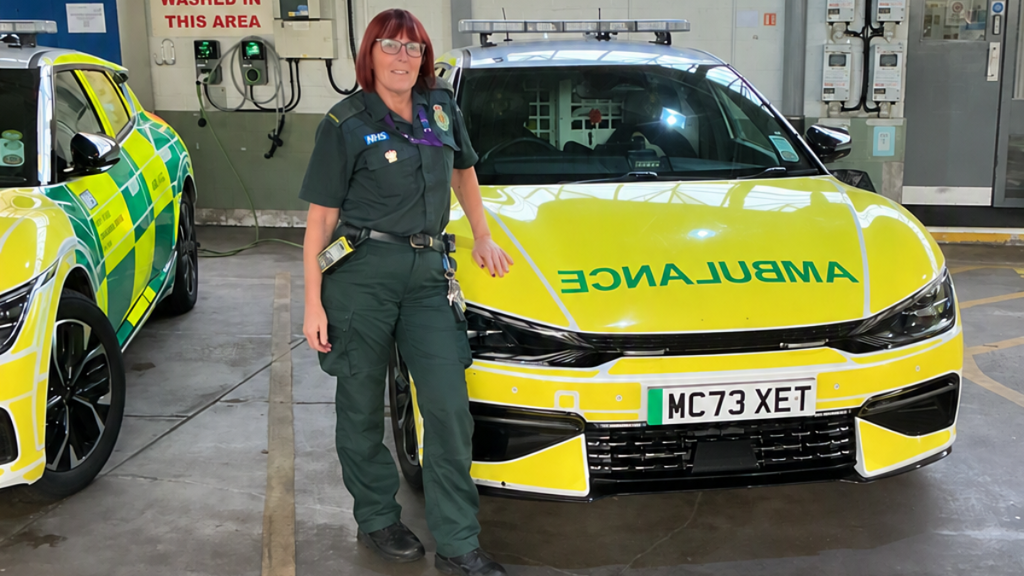
A woman in green uniform with cropped red hair, leaning against a rapid response vehicle

Anne struggled at school, where she was often told she was rubbish at reading and writing and would never make anything of herself. Although she knew something wasn’t right, it wasn’t until she started her nursing degree at university that a lecturer suggested she get tested.

“I was like, now I know I’m not stupid,” Anne said. “It settled my mind a bit to know there was a reason for what I’d struggled with all those years.”

With the right support, Anne completed her degree and spent 17 years working as a nurse before deciding to try something different. At 48, she returned to university to train as a paramedic and has now been with NWAS for around eight years.
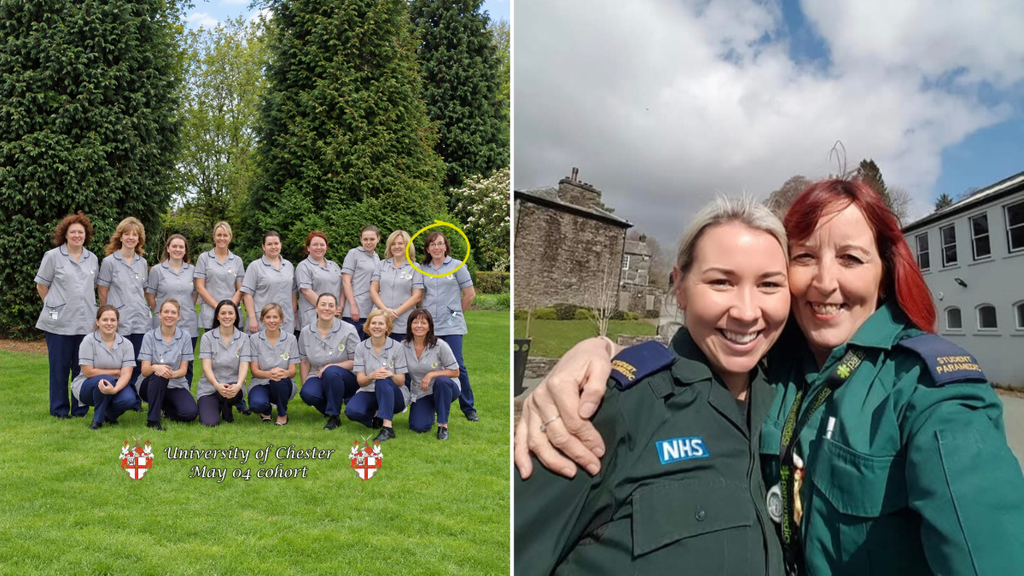
two photos. Left: a group photo of a university cohort from 2004. Right: Anne with an NWAS colleague smiling.

Challenging assumptions

Despite her experience and qualifications, Anne still encounters misconceptions about dyslexia, including the assumption that people with the condition cannot read or write.

“I still get people asking me, ‘How have you got a job with that?’” she said.

Anne is open about her dyslexia with colleagues and students, sharing how she approaches her work and the adjustments that help her. She also asks colleagues to check her patient report forms to make sure they are written correctly.

Digital patient report forms have made things easier, particularly as they highlight spelling mistakes. However, Anne says she can still face questions about how long she takes to complete paperwork, especially when she needs to write detailed reports.

“I’m fine, but sometimes you get people asking what’s taking you so long,” she said. “I need that extra bit of time to make sure the document is written correctly. You shouldn’t have to keep explaining yourself over and over again.”

Anne believes there is still stigma around dyslexia and that greater understanding from managers and colleagues would make a real difference.

“My brain works differently to yours, and that’s all it is,” she said.

Living with dyslexia, not suffering from it

Anne is a member of our Disability Network, where she helps raise awareness and encourages others to feel comfortable talking about their experiences.

She is also passionate about supporting colleagues and students who may be worried about disclosing a condition or pursuing a career they think might be out of reach.

“I will never say I suffer with dyslexia. I live with it, and I adapt to it,” she said.

For Anne, having dyslexia has never meant giving up on what she wants to achieve. Her journey from nursing to paramedicine is proof of that.

Her advice to anyone worried that dyslexia might hold them back is simple:

“Don’t let it hold you back. Just believe in yourself as a person. Just because you live with something that might not fit with what other people think is normal, don’t let it stop you.”

Archive

  • 2026
  • 2025
  • 2024

Contact us

General enquiries

0345 112 0999 To call general enquiries, click this link or dial 0345 112 0999

This number should NOT be used to contact us in an emergency. In an emergency dial 999 immediately or for non-urgent medical advice call NHS 111.

How to find us

Directions to our offices

Alternative formats

Please contact us if you require any information on our website in an alternative format, such as easy read of large print.

CQC Good rating widget

  • Help
  • Privacy policy
  • Accessibility
  • Freedom of Information
  • Contact us
  • Green Room
  • Cookies

© Copyright 2026 North West Ambulance Service NHS Trust. Lovingly crafted by Mixd

Cookie settings

We use some essential cookies to make this website work. We’d like to set additional cookies to understand how you use nwas.nhs.uk, remember your settings and improve our services. We also use cookies set by other sites to help us deliver content from their services.
View cookies
You have accepted additional cookies. You can change your cookie settings at any time.
You have rejected additional cookies. You can change your cookie settings at any time.