



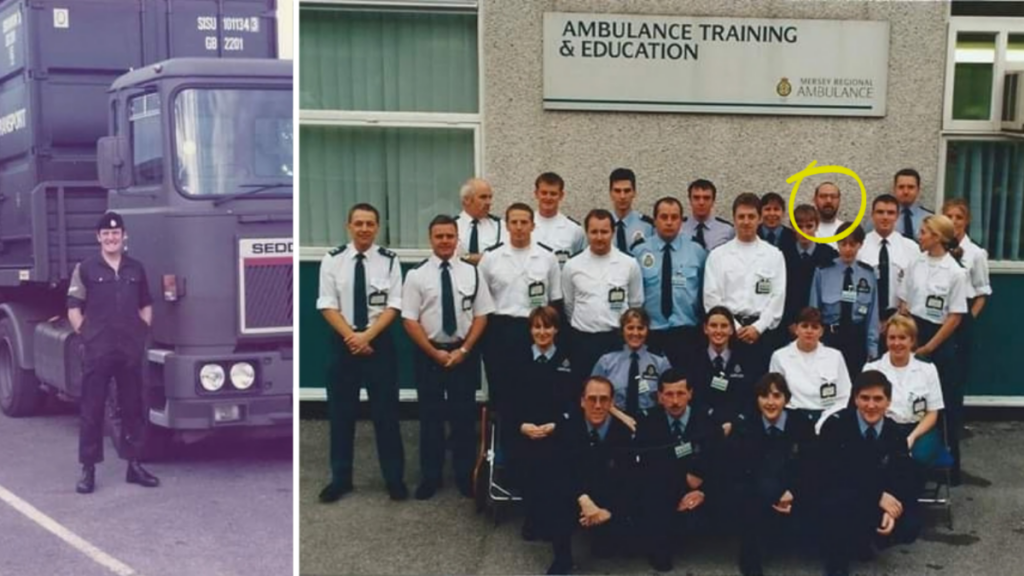
But for Paramedic Dave Stubbs – or “Stubbsie”, as he is known – those different experiences have all played a part in the career he has built over more than 30 years with the ambulance service.
He joined the army at 16 and served until he was 28. He then trained as a nurse before joining the prison service in 1990, where he worked as a prison healthcare officer for five years.
But the ambulance service had always been in the back of his mind.
“I wanted to join the ambulance service when I was in the army,” he says.
While training as a nurse, he applied to join the ambulance service but was told they weren’t recruiting in Shropshire, where he was living at the time. A few years later, after moving to Liverpool and transferring to the prison service, a chance phone call revealed the ambulance service was recruiting again.
“I threw my hat in the ring.”
Of around 350 applicants, only a small number were taken on as direct entrants. He was successful, joining the ambulance service in 1995 as an ambulance technician at the age of 36.
Learning on the road
Training looked very different back then. There was training school, but much of the learning happened on the road, working alongside experienced colleagues.
For someone joining the ambulance service at 36, he feels the life experience he had gained through the army, nursing and prison service was just as important as the formal training.
“I brought a lot of life experience in doing the jobs I did.”
His early career saw him work at stations including Toxteth, Anfield, Birkenhead and Ellesmere Port, as well as across the wider Wirral area. He also progressed through his clinical training, initially failing his paramedic course before returning and passing it the second time.
That experience has stayed with him and shaped the way he approaches the job.
Over the years, he has taken on a number of different roles, becoming a work-based assessor and then a team leader. He also worked on a rapid response vehicle for many years and spent time in Runcorn and Chester.
He has also spent around 25 years working in specialist operations, joining the SORT team before the development of HART and seeing the role evolve significantly over his career.
A career that has changed with the service
More than 30 years in the ambulance service has given him a front-row seat to how much the role has changed.
He says one of the biggest changes has been the amount of work crews now do when they arrive at a patient’s home.
“It has always been about the patient, but we have a lot more responsibilities.”
Crews are now dealing with falls, safeguarding, referrals and a much wider range of assessments and care. Technology has also made it easier to share information and make referrals quickly.
But while the role has changed, one thing hasn’t: the importance of experience.
He describes ambulance crews as being the NHS’s “storm troopers” – the people who are first in, seeing patients and situations that other parts of the health service may never see.
Often there are only two people on scene, dealing with the patient, their family and the situation around them, before handing over to hospital.
That can be particularly challenging in areas such as Cheshire and Cumbria, where long distances, rural roads and busy holiday periods can add further pressure.
For him, the biggest challenge facing the service is the increasing demand.
“The work demand has gone up year on year.”
Why he keeps coming back
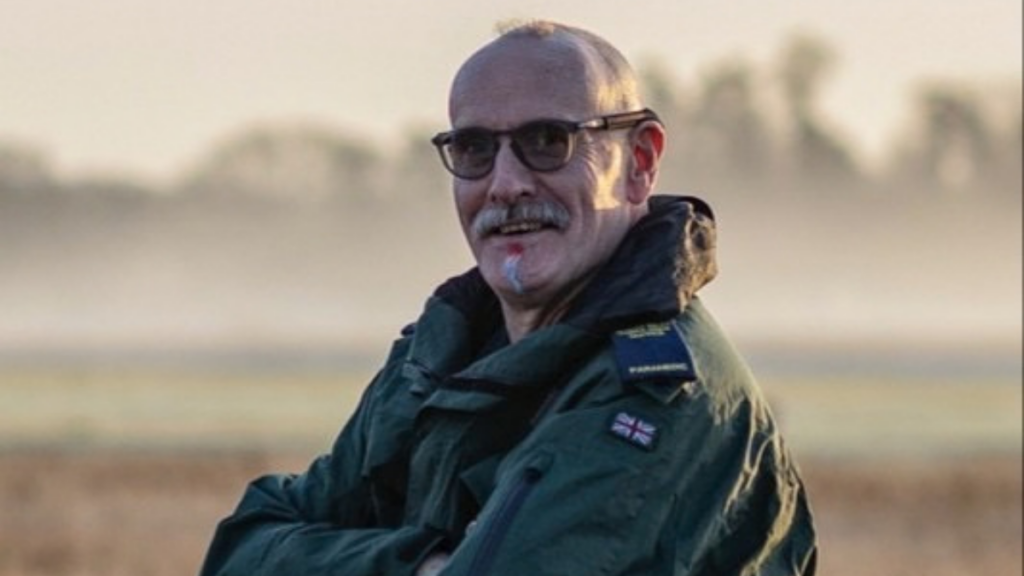
Despite the pressures, he is still doing the job.
He officially retired in 2009, but returned part-time in 2010. Seventeen years later, he is still working two days a week.
So what keeps him coming back?
Quite simply, he enjoys it.
He says the experience he has built up over the years means he can still make a difference to patients. Whether that’s making someone smile, listening to them, offering advice or simply helping them feel calm.
“It’s not like the case of screaming there. We might scream there at 200 miles an hour, but it doesn’t mean you’re necessarily going to be screaming from their house to the hospital.”
For him, being able to bring calm to a difficult situation is an important part of the job.
“You are putting the oil on the storm.”
From the ambulance to Top Gear
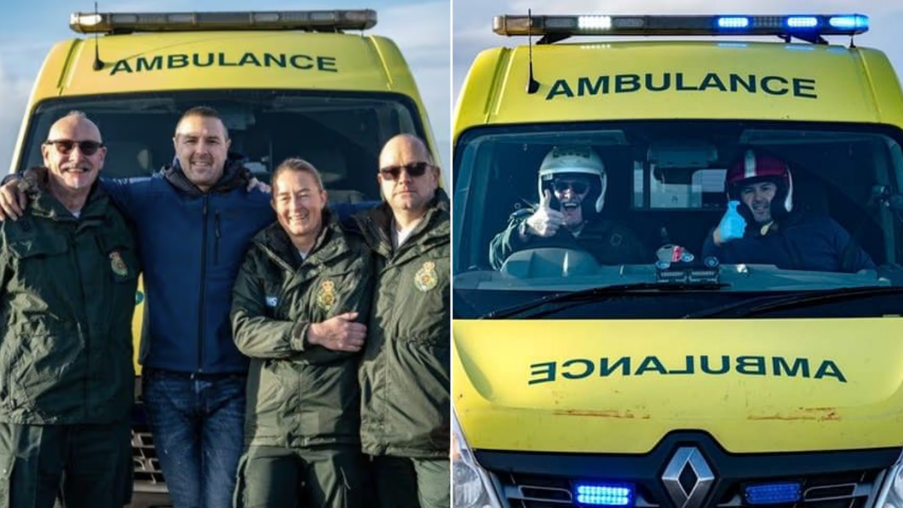
His career has also taken him somewhere he certainly didn’t expect: the Top Gear test track.
In 2018, he was part of an ambulance service team that took part in the programme’s Emergency Services Challenge, competing against police and fire teams.
The team travelled to Dunsfold and filmed their challenge in a single take. There were no second chances.
The experience was a memorable one, particularly as he is also involved in motorsport as a hobby. The ambulance service team included colleagues Chris and Steph, who had previously been his trainee.
They were sworn to secrecy about the result until the programme aired.
“It was honestly the best 14 minutes of TV.”
Still learning, still passing it on
After more than three decades in the ambulance service, he knows that the job will continue to change.
But he also believes there is a lot that new staff can learn from the experience of those who have been doing it for years.
His advice to people starting out is simple:
“Just look and learn and listen.”
He believes experience is something that is passed down from one generation to the next. New staff bring their own knowledge and experience, but there is also value in listening to colleagues who have been dealing with patients and situations for decades.
Some of the most useful things, he says, aren’t found in a textbook.
“When you walk into someone’s house where there’s chaos and you’re going in and putting some oil on the stormy sea, that’s not in a book. That comes with experience.”
31 years and counting
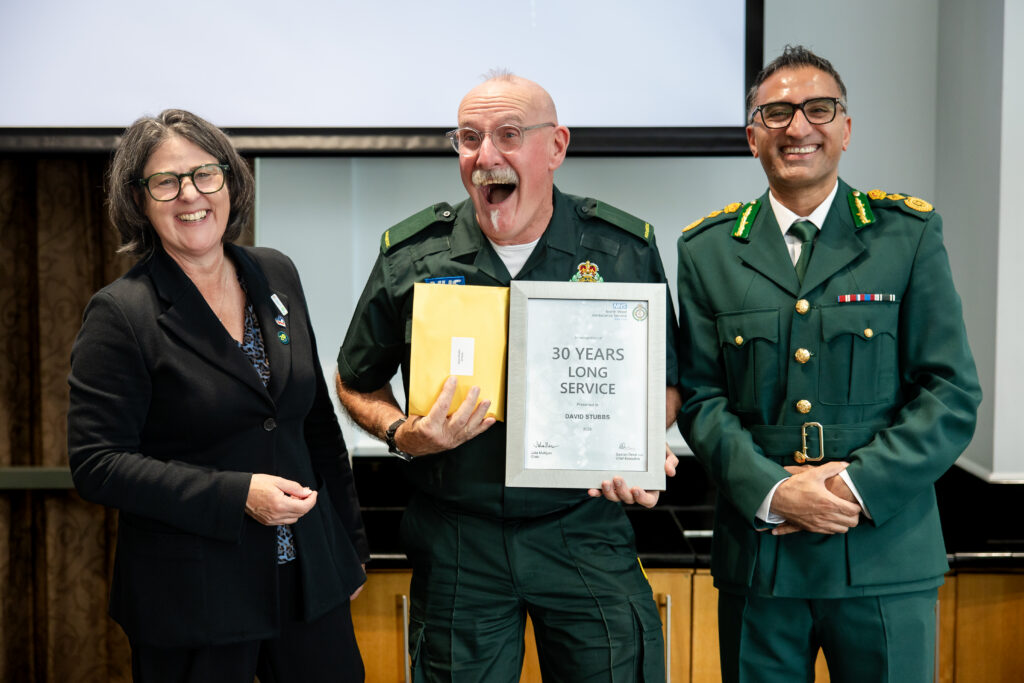
Now in his 31st year with the ambulance service, he says he feels incredibly proud of how far he’s come, particularly when he looks around at the number of colleagues who have built long careers alongside him.
For him, long service is about more than simply the number of years.
It’s about the people, the experiences, the colleagues and the patients along the way.
And, despite having reached an age when many people would have long since retired, he is still turning up, still learning, still supporting colleagues and still bringing a bit of calm, and a few smiles, to the people he meets.
He may eventually retire for good, with plans to volunteer with the Greyhound Trust, but for now, there is still a place for him in the ambulance service.