




High temperatures look set to return to the North West in the coming days and into next week, and we are offering advice to people who could be affected.
In the last heatwave at the end of June, We saw calls peak to levels only seen on New Years Eve. People most affected were older and those with long-term health conditions.
In just one week, we:
- Answered more than 30,000 emergency 999 calls – around 22% more than the same week last year.
- Managed more than 24,000 emergency incidents
- Handled 38,000 NHS 111 calls
While many people enjoy warmer summer weather, hot weather can cause some people to become unwell through overheating, dehydration, heat exhaustion and heatstroke.
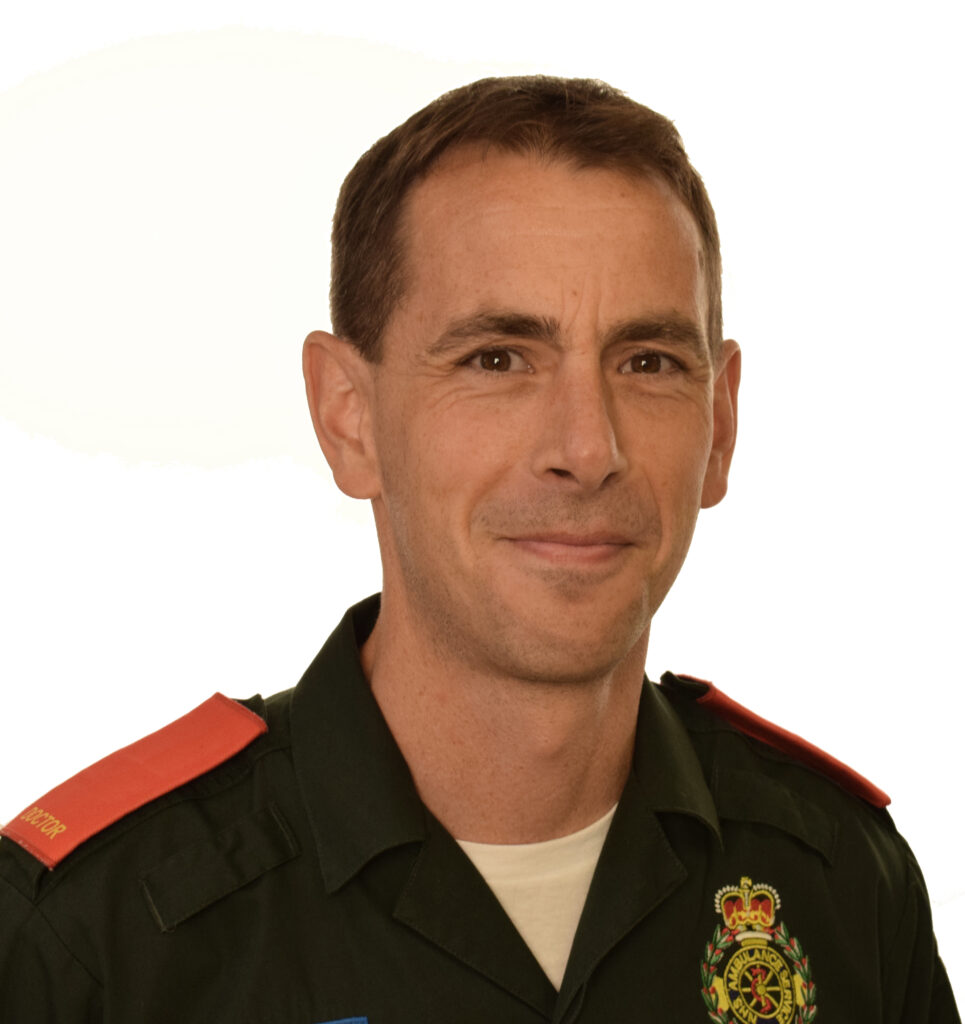
Dr Chris Grant, Medical Director at North West Ambulance Service NHS Trust said: “During the last heatwave, we saw demand peak to levels we usually only see on New Years Eve, which shows just how dangerous high temperatures can be.
“Older people, babies and young children are more likely to be unwell from hot weather because their bodies are less able to regulate temperature.”
People with underlying medical conditions can also be vulnerable to the effects of hot weather; this could be due to the medication they are on. Certain medications can increase heat sensitivity, which affects the body’s ability to cool down, and some impair heat awareness.
Dr Grant added, “It’s also worth remembering that alcohol causes your body to lose fluids faster, which significantly increases your risk of dehydration in hot weather. If you are drinking, make sure you alternate alcoholic drinks with water and try to stay in the shade or indoors and with England’s World Cup quarter-final match happening on Saturday, many people will be celebrating.”
Taking steps to help limit the effects of hot weather can make all the difference:
- Stay hydrated: Drink water regularly, even if not thirsty.
- Avoid peak heat: Limit outdoor activity during the hottest part of the day.
- Wear appropriate clothing: Light, loose-fitting clothes, hats, and sunglasses.
- Use sunscreen: Broad-spectrum SPF 30+ to prevent sunburn, especially if on photosensitising medications.
- Monitor for symptoms: Dizziness, nausea, rapid heartbeat, confusion, or excessive sweating may indicate heat-related distress. Seek medical help immediately if severe