


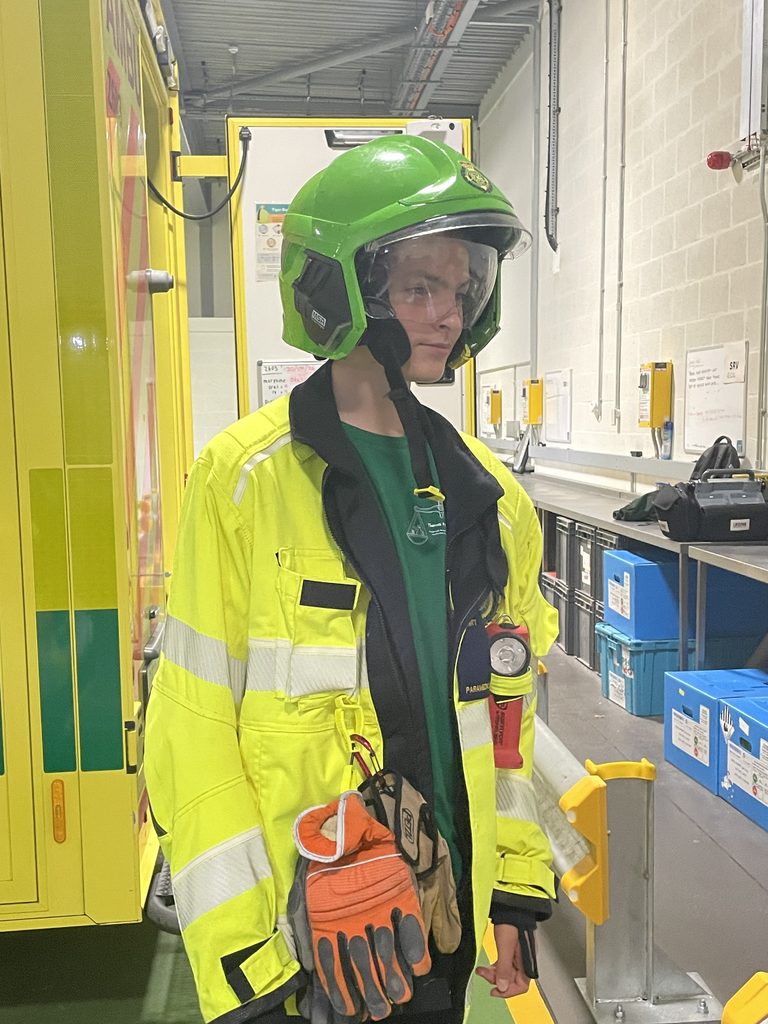
The One Tonne Challenge began when Thomas Morgan, a young environmental activist committed to preventing plastic pollution in our oceans, challenged us to collect one tonne of rubbish in 10 weeks, encouraging staff to make a positive difference to the environment and their local communities. The challenge reflects Thomas’s personal motto: “Saving the world one recycling item at a time.”
As part of the challenge, we arranged for Thomas to visit our Hazardous Area Response Team (HART), giving him the opportunity to meet colleagues and learn more about the specialist work they do.
The challenge launched on 20 July, with staff encouraged to get involved in whatever way they could, whether that meant organising a community litter pick, collecting plastic while out walking or bringing recyclable plastic from home.
Our colleagues rose to the challenge, collecting plastic from parks, streets and other public spaces, as well as finding creative ways to recycle materials that might otherwise have gone to waste.
The Digital Support and Digital Customer Service teams got involved by collecting unwanted plastic iPad cases, while colleagues at Haydock organised a litter pick. Plastic was also collected during a St John Ambulance youth camp, with eight bags gathered from items including drinks bottles, kitchen waste packaging and other hard plastics.
A special mention goes to colleagues at Blackpool Hub, who really got behind the challenge and played a key role in driving it forward. Their enthusiasm and commitment helped lead a number of initiatives, encouraging others to get involved and contributing to the challenge’s success.
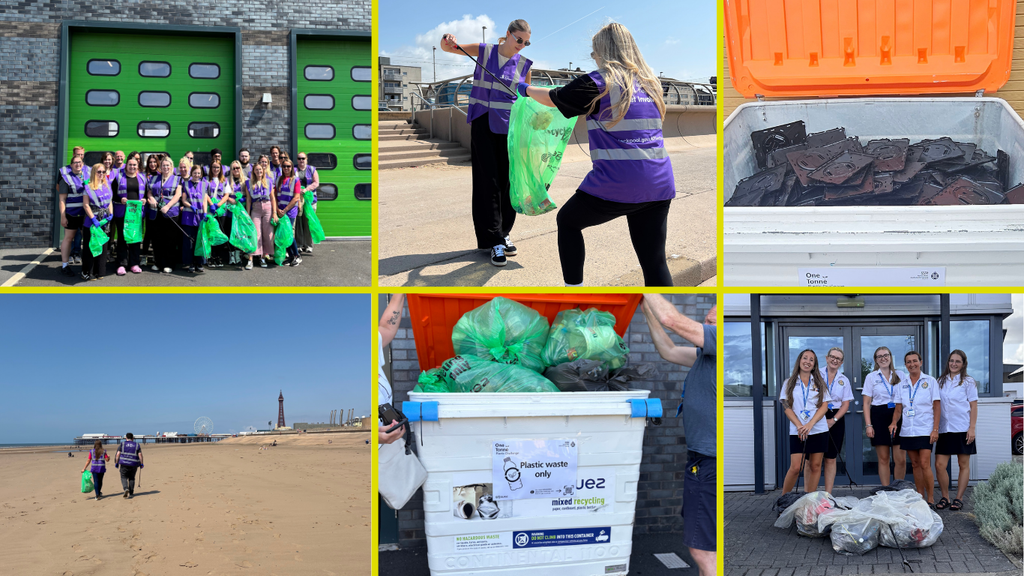
To make it easier for colleagues to take part, dedicated plastic collection points were made available at several NWAS sites, including Ladybridge Hall, Estuary Point, Broughton, Salkeld Hall, Sharston and Blackpool Hub.
The trust also worked with waste management company SUEZ to support the collection and recycling of the plastic.
By the end of the 10 weeks, colleagues had collected more than 1,180kg of plastic, exceeding the original target by over 18%.
What started as one young person’s idea became a collective effort involving colleagues from different teams and locations, demonstrating how small actions can add up to make a significant difference.
The challenge has not only helped remove plastic waste from communities but has also encouraged colleagues to think about the everyday steps they can take to protect the environment.