

Skip navigation
North West Ambulance Service (NWAS) logo
  • News
  • Events
  • Charity
  • Ambulance Academy
  • Publications
Use this link to enable the ReciteMe accessibility toolkit Enable ReciteMe accessibility tools
  • Home
  • Our service
    • Patient Transport Service (PTS)
    • Urgent and emergency care (999)
    • NHS 111 (non-emergency)
    • Major incidents
    • Emergency advice
    • Information for professionals
    • Other ways we can help
    • Help accessing our services
    Need to arrange transport using our Patient Transport Service (PTS)?
  • Get involved
    • Your Call Magazine
    • Volunteer with us
    • Support the North West Ambulance Charity
    • Support our campaigns
    • Children and young people
    • Lifesaving skills
    • Events
    • Share your experience
    • What happens with your feedback?
    • Talk to us on social media
    Need to arrange transport using our Patient Transport Service (PTS)?
  • About us
    • Our publications
    • Our strategy
    • Who we are
    • Our locations
    • How we are doing
    • Board of directors
    • Equality, diversity and inclusion
    • Research and development
    • Public Health
    • Information for suppliers
    Need to arrange transport using our Patient Transport Service (PTS)?
  • Careers
    • Our assessment centre
    • Current vacancies
    • Join our team
    • Why work with us
    • Explore roles
    • Applying for a job
    • Working with the Armed Forces
    Need to arrange transport using our Patient Transport Service (PTS)?
  • Contact us
    • Media
    • Request my information
    • FOI and EIR
    • General enquiries
    • Lost property
    • Make a complaint
    • External Patient Event Reporting Form
    • Point taken
    • Send a thank you
    • Tell us how we did
    • Safeguarding
    • Ambient voice technology trial
    Need to arrange transport using our Patient Transport Service (PTS)?
  • Home
  • Our service
    • Patient Transport Service (PTS)
    • Urgent and emergency care (999)
    • NHS 111 (non-emergency)
    • Major incidents
    • Emergency advice
    • Information for professionals
    • Other ways we can help
    • Help accessing our services
    Need to arrange transport using our Patient Transport Service (PTS)?
  • Get involved
    • Your Call Magazine
    • Volunteer with us
    • Support the North West Ambulance Charity
    • Support our campaigns
    • Children and young people
    • Lifesaving skills
    • Events
    • Share your experience
    • What happens with your feedback?
    • Talk to us on social media
    Need to arrange transport using our Patient Transport Service (PTS)?
  • About us
    • Our publications
    • Our strategy
    • Who we are
    • Our locations
    • How we are doing
    • Board of directors
    • Equality, diversity and inclusion
    • Research and development
    • Public Health
    • Information for suppliers
    Need to arrange transport using our Patient Transport Service (PTS)?
  • Careers
    • Our assessment centre
    • Current vacancies
    • Join our team
    • Why work with us
    • Explore roles
    • Applying for a job
    • Working with the Armed Forces
    Need to arrange transport using our Patient Transport Service (PTS)?
  • Contact us
    • Media
    • Request my information
    • FOI and EIR
    • General enquiries
    • Lost property
    • Make a complaint
    • External Patient Event Reporting Form
    • Point taken
    • Send a thank you
    • Tell us how we did
    • Safeguarding
    • Ambient voice technology trial
    Need to arrange transport using our Patient Transport Service (PTS)?

Search the site

  • Home
    • Patient Transport Service (PTS)
    • Urgent and emergency care (999)
    • NHS 111 (non-emergency)
    • Major incidents
    • Emergency advice
    • Information for professionals
    • Other ways we can help
    • Help accessing our services
    Need to arrange transport using our Patient Transport Service (PTS)?
    • Your Call Magazine
    • Volunteer with us
    • Support the North West Ambulance Charity
    • Support our campaigns
    • Children and young people
    • Lifesaving skills
    • Events
    • Share your experience
    • What happens with your feedback?
    • Talk to us on social media
    Need to arrange transport using our Patient Transport Service (PTS)?
    • Our publications
    • Our strategy
    • Who we are
    • Our locations
    • How we are doing
    • Board of directors
    • Equality, diversity and inclusion
    • Research and development
    • Public Health
    • Information for suppliers
    Need to arrange transport using our Patient Transport Service (PTS)?
    • Our assessment centre
    • Current vacancies
    • Join our team
    • Why work with us
    • Explore roles
    • Applying for a job
    • Working with the Armed Forces
    Need to arrange transport using our Patient Transport Service (PTS)?
    • Media
    • Request my information
    • FOI and EIR
    • General enquiries
    • Lost property
    • Make a complaint
    • External Patient Event Reporting Form
    • Point taken
    • Send a thank you
    • Tell us how we did
    • Safeguarding
    • Ambient voice technology trial
    Need to arrange transport using our Patient Transport Service (PTS)?
  • News
  • Events
  • Charity
  • Ambulance Academy
  • Publications
Home > News > Announcements > Seeing potential, not problems

Seeing potential, not problems

Posted 27th July 2026

For paramedic Iain Peel, a career in the ambulance service has never been defined by his learning difficulties. It has been defined by determination, compassion and a commitment to helping others.

Share this page
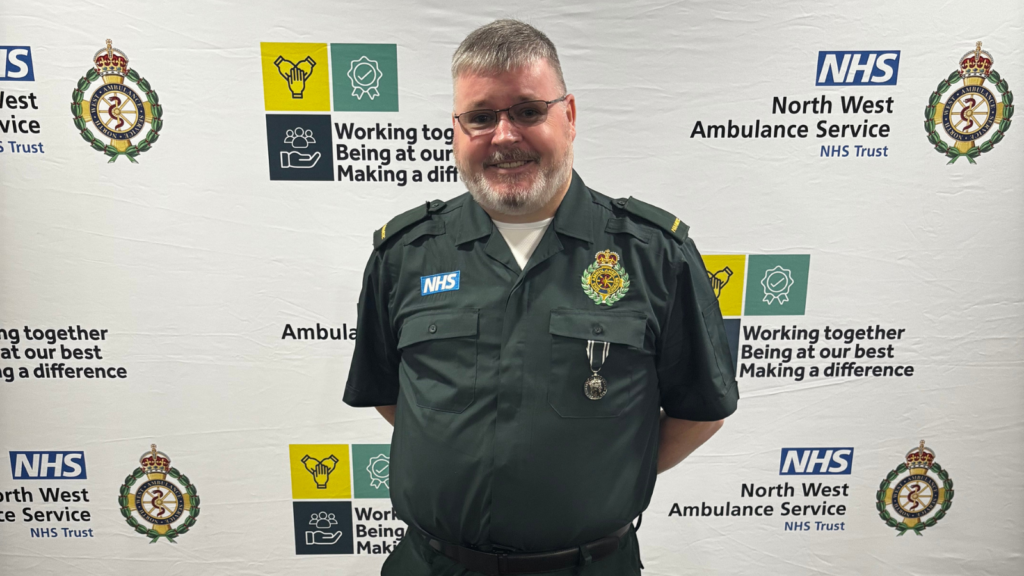
A man stood in front of an NWAS backdrop wearing a green uniform and a medal.

Iain joined the ambulance service in 2005, starting on Patient Transport Service before progressing to technician and later qualifying as a paramedic in 2016. Over more than 20 years in healthcare, he has seen significant changes in the profession, from advances in clinical practice to a growing focus on inclusion and wellbeing.

While studying for his paramedic qualification, Iain was diagnosed with specific learning difficulties, including traits associated with dyslexia, dyspraxia and ADHD. Looking back, he recognises that he struggled throughout school but, like many people of his generation, never received any formal assessment or support.

“I was always trying as hard as I could, but it felt like I was never quite getting there,” he said. “At school it was seen as needing to try harder, rather than understanding there might be a reason why I was finding things difficult.”

Despite the challenges, Iain built a successful career and found ways to manage his learning difficulties. After time away from work, he’s become more open about his needs and the value of getting support.

Since returning, he’s agreed a wellbeing passport with his managers and now uses tools like AI to help with admin, including patient records.

“It has helped me accept that it’s okay to need support,” he said. “A lot of it is about accepting that you struggle with some things, but also recognising the strengths you bring.”

That mindset is something shared at home. Iain met his wife, Rachael, through the ambulance service when they both worked on Patient Transport Services. Like Iain, she has dyslexia and learning difficulties, but that has never stopped her pursuing her ambitions.

After working as a technician, Rachael went on to train as a midwife and has now been qualified for three years. Iain describes her achievements as “amazing” and says her journey is a powerful reminder that learning difficulties should never define what someone is capable of achieving.

Together, they have also navigated the challenges of supporting their autistic son, an experience that has given Iain an even greater understanding of why awareness, empathy, and tailored support really matter.
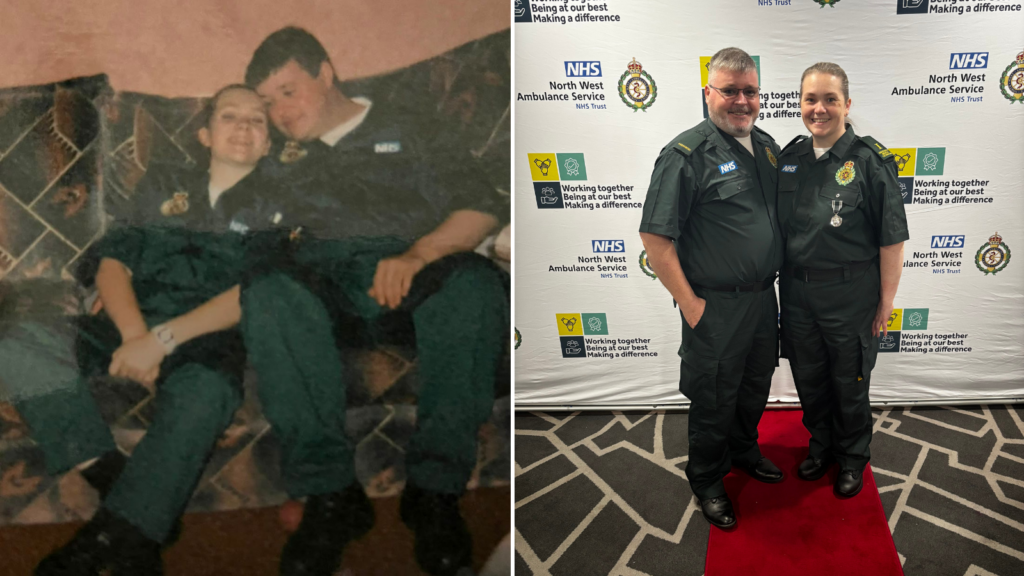
A photo split in two. Left photo of Iain and Rachael sat on a sofa together. They are wearing old uniforms. The photo is old. The right photo is of them both again but stood in front of an NWAS backdrop. they are both in current uniforms and wearing medals.

Those experiences have shaped the way he approaches patient care. He believes his own experiences have helped him better understand and support people with learning disabilities, autism and other neurodivergent conditions.

“The training and education around learning disabilities and autism is so important,” he said. “The more we understand, the better care we can provide.”

Iain also believes that workplaces are becoming more inclusive, although there is still more to do.

“Things are definitely moving in the right direction,” he said. “People are becoming more aware and more understanding, but it’s important that we keep having these conversations.”

Supporting the Disability Network’s Potential, Not Problems campaign, Iain hopes that sharing his experiences will encourage others to speak up and seek support if they need it.

His message is simple:

“Don’t see the disability, see the ability. Everybody has something they can bring.”

Archive

  • 2026
  • 2025
  • 2024

Contact us

General enquiries

0345 112 0999 To call general enquiries, click this link or dial 0345 112 0999

This number should NOT be used to contact us in an emergency. In an emergency dial 999 immediately or for non-urgent medical advice call NHS 111.

How to find us

Directions to our offices

Alternative formats

Please contact us if you require any information on our website in an alternative format, such as easy read of large print.

CQC Good rating widget

  • Help
  • Privacy policy
  • Accessibility
  • Freedom of Information
  • Contact us
  • Green Room
  • Cookies

© Copyright 2026 North West Ambulance Service NHS Trust. Lovingly crafted by Mixd

Cookie settings

We use some essential cookies to make this website work. We’d like to set additional cookies to understand how you use nwas.nhs.uk, remember your settings and improve our services. We also use cookies set by other sites to help us deliver content from their services.
View cookies
You have accepted additional cookies. You can change your cookie settings at any time.
You have rejected additional cookies. You can change your cookie settings at any time.