



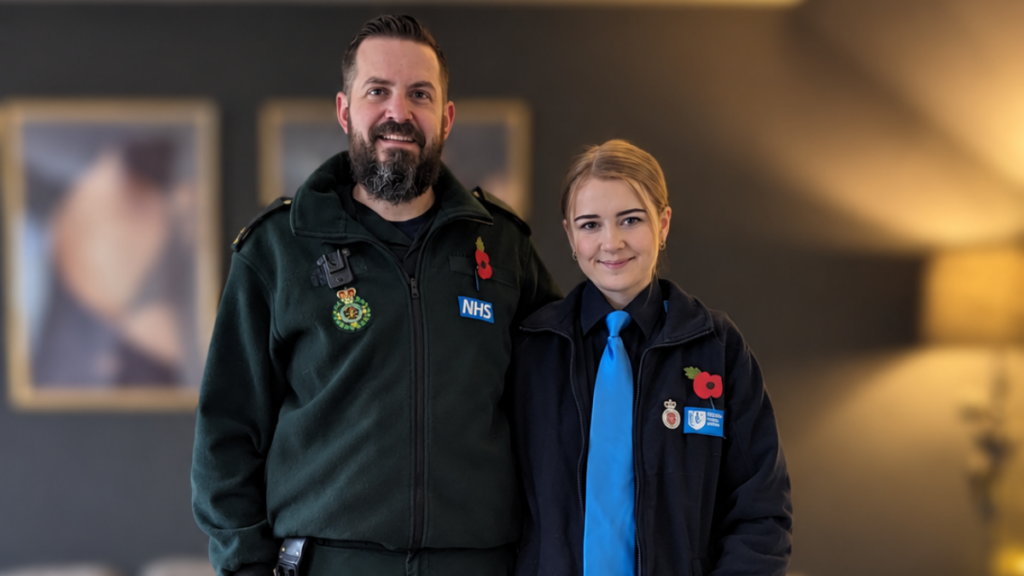
For Paramedic Paul Coates, childhood cancer became personal when his 14-year-old daughter, Daisha, was diagnosed with Hodgkin’s lymphoma in 2024.
It started in spring of that year with what seemed like fairly normal childhood illnesses. Daisha was getting coughs and colds more frequently than usual, but as a 14-year-old at school, it was easy to assume she was simply picking something else up.
“That probably went on for four or five weeks and then Daisha got a swelling around her collarbone. It wasn’t even the size of an egg, but it was enough for us to be concerned, so we took her to the GP.”
Initially, they were told to watch and wait. But the GP later sent Daisha for blood tests. What followed was hours of blood tests, X-rays and other investigations before she was referred to Manchester Children’s Hospital.
A biopsy was carried out on the lump before Daisha was sent home to wait for the results.
Just days later, while Paul had returned to work, the call came.
Daisha had Hodgkin’s lymphoma.
“You don’t really believe it at first,” Paul says. “I just thought, she’ll be fine.”
Daisha was brought back into hospital the following day and started treatment soon afterwards.
She underwent almost five months of chemotherapy. At 14, she was also preparing to start her GCSEs, making an already difficult time even more challenging.
One of the hardest moments came when she was told she would lose her hair.
“She kind of understood the diagnosis and what was going to happen,” Paul says. “But when they told her she was going to lose her hair, she was probably the most upset I’d seen her.”
Around three months into her treatment, Daisha developed a temperature and had to return to hospital for blood tests and assessment.
Thankfully, it wasn’t sepsis. It turned out to be a cold.
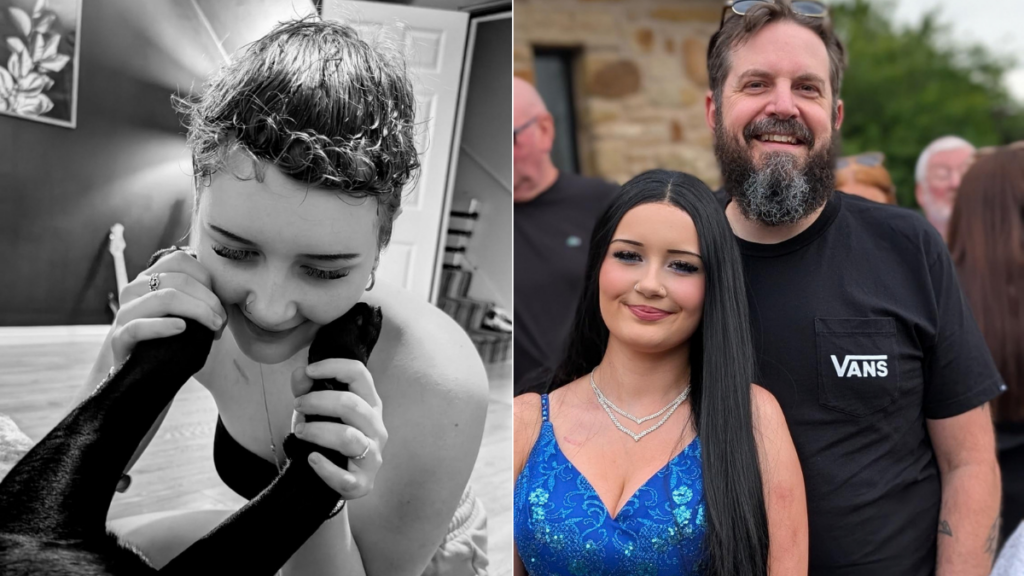
After five months of treatment, Daisha went into remission in October 2024. She continues to have regular check-ups and scans and is now back at college studying health and social care.
She’s now 17 and, as Paul puts it, “pretty much back to normal”.
“I rarely see her anymore because she’s so busy with her friends,” he jokes.
But seeing Daisha back to herself after everything she went through has been hugely important for Paul.
“It’s lovely to see her getting a laugh back, really.”
Knowing the signs
Childhood cancer is rare, and many of its symptoms can be caused by much more common childhood illnesses. But when symptoms persist, keep coming back or don’t seem to have an obvious explanation, it’s important to get them checked.
The Child Cancer Smart campaign encourages people to remember the ‘three threes’:
- Three persistent symptoms
- Three visits to a doctor
- Three weeks of unexplained symptoms
Other symptoms can include unexplained lumps or swelling, ongoing tiredness, unexplained weight loss, persistent pain or prolonged night sweats.
If something doesn’t seem right, trust your instincts and speak to your GP or another healthcare professional.